A new academic year calls for clear goals, good study habits and reliable information. At Mapon University, the 2026–2027 opening is an opportunity to shape your educational plans and find your place in Kindu’s university community.
Announced start-of-year dates
The calendar supplied by the Office of the Secretary-General for Academic Affairs sets the opening of the academic year for 15 October 2026. It provides an orientation session for incoming students from 18 to 20 October, followed by the start of teaching on 20 October 2026.
These dates come from the published calendar. For timetables, rooms and arrangements specific to each cohort, students should contact their faculty or the Academic Secretariat and consult University announcements.
Four faculties to shape your pathway
Mapon University’s academic offer comprises four faculties: Engineering, Health Sciences, Economics and Management, and Law. They connect learning with technical, health, economic and institutional needs in Maniema and the DRC.
Teaching is in French and combines lectures, tutorials and practical work. Depending on the programme, placements, seminars and research connect knowledge with professional practice.
Understanding the LMD framework and current offer
The Bachelor’s–Master’s–Doctorate system provides the overall framework for study. This should be distinguished from programmes actually offered: one master’s pathway is currently organised at Mapon University. Interested applicants should ask the Office of the Secretary-General for Academic Affairs for its title, entry requirements and arrangements.
The study programmes page introduces the faculties and degree pathways presented on the portal.
Four habits for a good start
- Check your administrative status. Gather your documents and ask the relevant service to confirm any remaining steps.
- Check information for your year group. Identify timetables, teaching locations and useful contacts before planning your week.
- Establish a regular study routine. Set aside time to review courses, prepare assignments and work with fellow students.
- Take part in university life. Find out about clubs and scientific activities to enrich your studies and encourage dialogue across disciplines.
A starting point and a project to build
The new academic year is an important stage for both new and continuing students. Curiosity, diligence and collaboration support progress throughout the year.
To prepare an application, see the Admissions page. For questions about your situation or programme, use the University contact details.
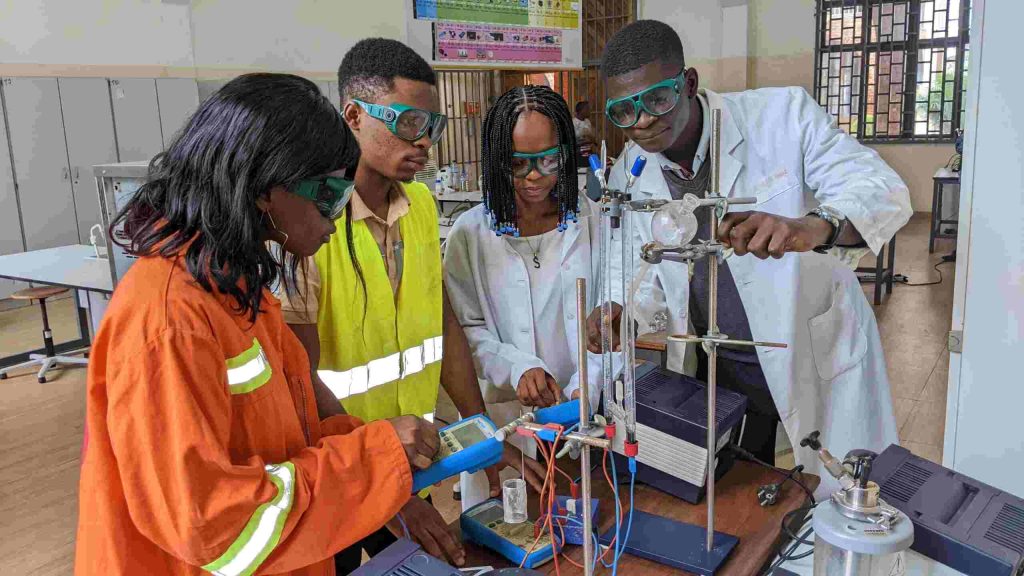
Calendar and teaching information based on material supplied by the Office of the Secretary-General for Academic Affairs. The accompanying image is illustrative.